
A realistic Norway campervan budget includes more than the vehicle rental. Campsites, fuel or charging, food, ferries, tolls and parking all need a place in your plans. Checking these costs before booking helps you choose a route you can enjoy without worrying about every payment along the way.
This guide explains how to organise your budget, compare rental options and keep track of spending during your trip.
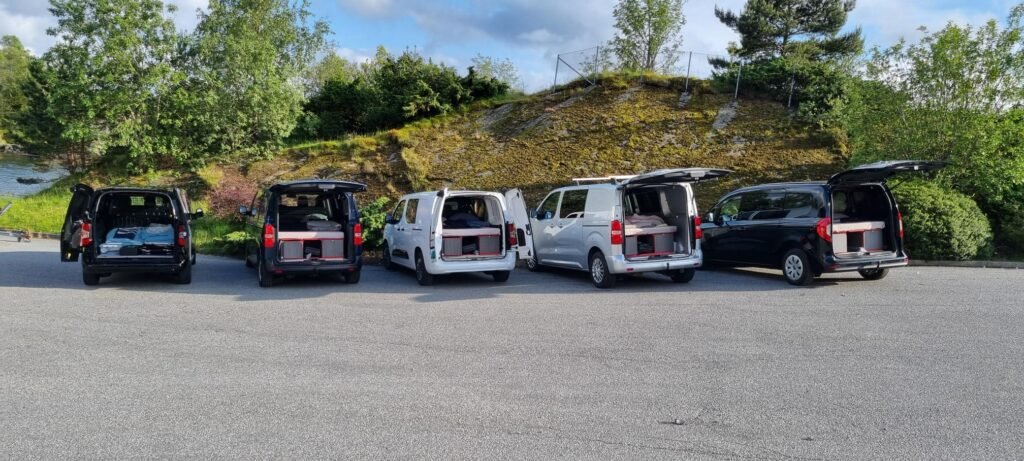
What should your Norway campervan budget include?
Start with separate categories rather than one daily spending estimate. Some costs cover the whole booking, while others depend on how far you drive and where you stay.
- Vehicle rental: the quoted total for your chosen dates.
- Optional extras: any additional equipment or services you select.
- Fuel or charging: based on your route and vehicle.
- Campsites: overnight fees and any additional facilities.
- Ferries, tolls and parking: transport costs along your route.
- Food and activities: groceries, meals out and experiences.
- Contingency: money available for changes to your plans.
Keep the security deposit separate from these expenses. It affects the money you need available, but it should not automatically be counted as money spent.
Compare the full rental quote
Compare quotes for the same dates and check what each one includes. Look at the vehicle layout, sleeping arrangements, equipment, mileage allowance and collection details. A lower headline price does not tell you the complete cost of your particular booking.
Check any extras before confirming. For example, do you need additional equipment or a particular collection arrangement? Ask for clarification if the quote does not explain an item clearly.
Read our guide to how campervan rental with Campervan EU works, then review the terms supplied with your chosen booking.
Plan your distance before estimating driving costs
Build a route that includes the journey back to your agreed return location. Add local trips to supermarkets, campsites and attractions rather than counting only the distance between major destinations.
Next, compare that estimate with the mileage allowance in your rental agreement. Check how additional kilometres are calculated if your planned journey exceeds the allowance.
A shorter route can leave more time for the places you came to see. Before adding another destination, consider whether you would prefer another afternoon exploring your current stop.
Fuel-powered campervans
To estimate fuel spending, divide your planned kilometres by 100, multiply by the expected consumption in litres per 100 kilometres, and then multiply by your budgeted price per litre. Ask about the specific vehicle rather than using an estimate for a different model.
Electric campervans
For an electric vehicle, use the planned distance, expected energy consumption and charging prices for the providers you expect to use. Check the vehicle’s charging instructions and connector requirements before departure.
Treat both calculations as estimates. Actual consumption and spending will depend on your journey and the conditions you encounter.
Budget for campsites and useful facilities
Look up campsites around your intended overnight stops and check their current rates directly. Confirm whether electricity, showers, laundry or other facilities are included or charged separately.
Think about what you will actually use. A convenient overnight stop with the facilities you need may be worth more to your trip than a cheaper option that requires additional driving.
The official Visit Norway camping guide is a useful place to research accommodation options. Confirm opening dates, availability and prices with each operator.
Include ferries, tolls and parking
Check your planned route for ferry crossings before finalising the budget. Look up the relevant operator’s fares and departure information for the vehicle you will be driving.
Ask how tolls and ferry charges are handled under your rental agreement. If an advance amount is collected, check how it is reconciled against actual charges. This helps you avoid counting both the advance and the final expense as separate costs.
Keep a separate allowance for parking when visiting towns and attractions. Follow the payment instructions at each location and keep a record of payments made directly.
Use Statens vegvesen’s official traffic information to check road information and find ferry resources while planning your journey.
Keep food and activity spending practical
Start with a modest grocery shop once you have seen the storage and cooking equipment in your campervan. Choose ingredients that work in several meals, and leave room for fresh food purchased along the way.
Budget separately for restaurants and activities you particularly want to enjoy. Booking a campervan does not mean every meal needs to be cooked inside it; the important thing is choosing a balance that suits your plans.
Understand your deposit and final settlement
Check the deposit amount, how it is collected or held, and the conditions for its return. Keep this information with your booking confirmation so you can refer to it later.
At collection and return, follow the vehicle inspection procedure and retain the documents and photographs you take. Keep receipts for any expenses you pay directly during the rental.
When you receive the final settlement, compare it with your rental terms and payment records. Ask for an explanation of any charge you do not recognise.
Check your Norway campervan budget before booking
Before confirming your trip, make sure you can answer these questions:
- Do I have the complete rental price for my dates?
- Have I checked the included equipment and selected extras?
- Does my route fit the mileage allowance?
- Have I allowed for fuel or charging and overnight stays?
- Have I considered ferries, tolls and parking?
- Do I understand the deposit and payment schedule?
- Have I left some flexibility for unexpected expenses?
For more booking information, visit our campervan rental FAQ.
Ready to plan your journey? Explore Campervan EU’s rental options in Bergen and Oslo and check the vehicle details and availability for your dates.

